TERM AT A GLANCE
Module 01 Fermentation April 2026
Payal Shah, Kobo Fermentary • Namrata Sundaresan, Kase Cheese • Prachet, Brown Koji Boy
Module 02 Regenerative Farming May 2026
Speaker: Fiona Arakal, Ishka Farms
Module 03 Media & Storytelling June 2026
Shubhra Chatterji, Historywali • Taiyaba Ali, writer, chef and researcher • Terrence Manne, Photographer
Module 04 Post-Colonial Histories of Ingredients July 2026
Dona Aideau, Tea Producer, Taster & Sommelier • Hansel Vaz, Cazulo Feni • Anumitra Ghosh Dastidar, chef
Module 05 The Future of Indian Coffee August 2026
Pranoy Thipaiah, Kerehaklu • Marc Tormo, Naad • Arshiya Bose, Black Baza Coffee
Module 06 Innovation in Restaurant Culture September 2026
Minakshi Singh, Sidecar • Khushboo Gandhi, Go Do Good • Tanya George, Tanyatypes
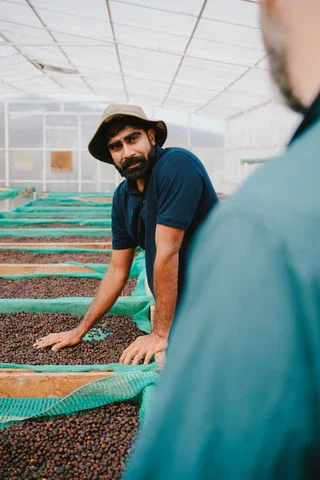
Pranoy Thipaiah
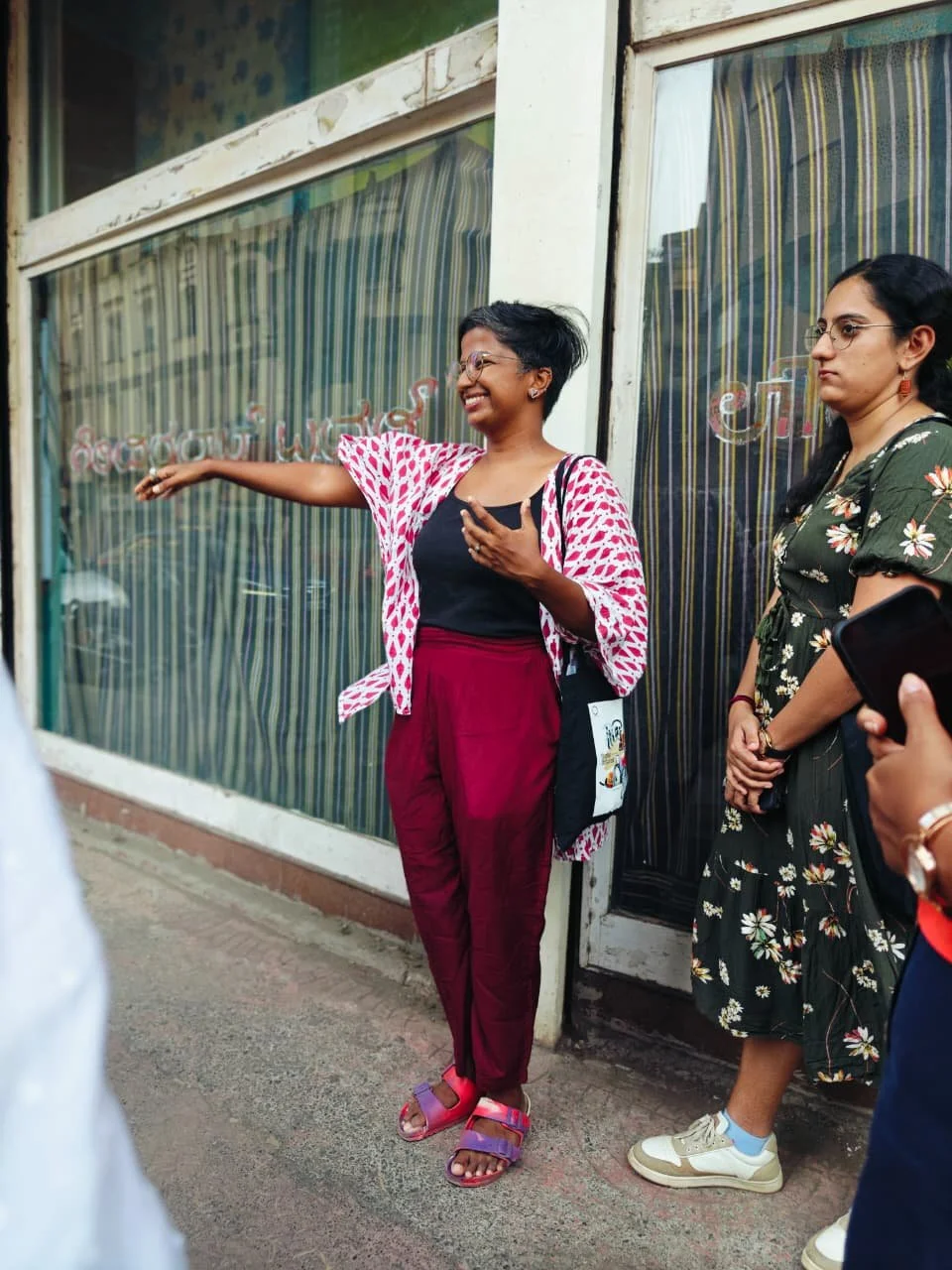
Tanya George
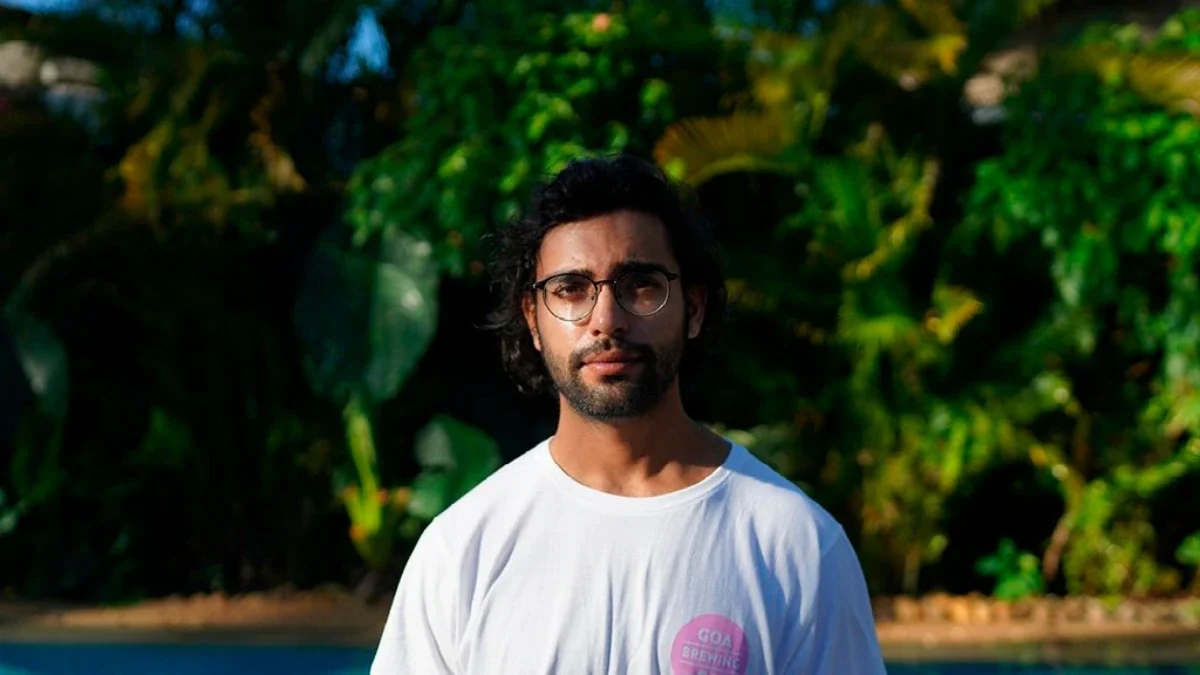
Prachet Sancheti
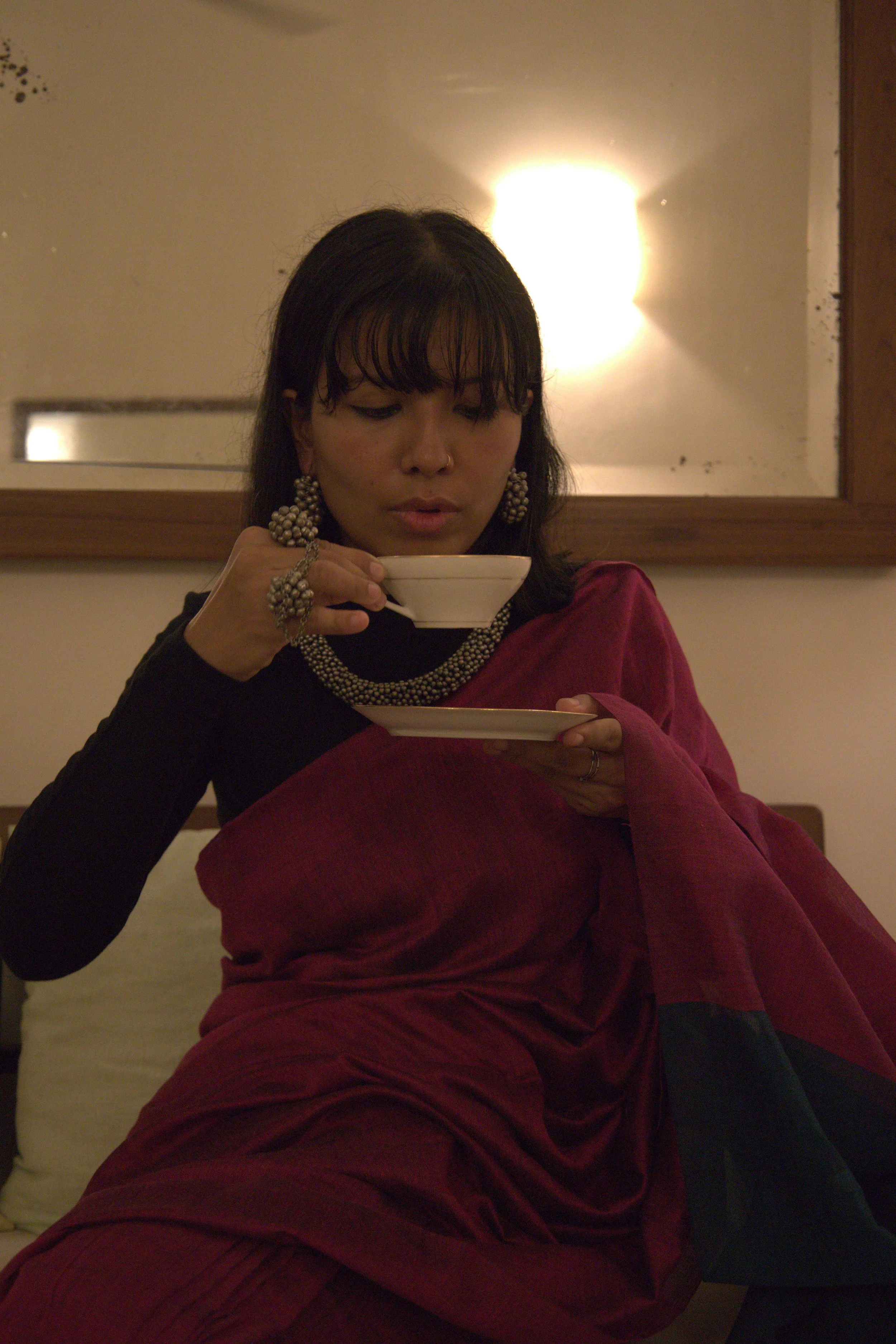
Dona Aideu
Happening Now…
MODULE 06
INNOVATION IN RESTAURANT CULTURE
Design, Sustainability and Visual Language
Tuesday, 25 August 2026 - 7pm IST
Khushboo Gandhi, Go Do Good
How does design shape the way we perceive, value, and choose food? Khushboo Gandhi works at the intersection of design, sustainability, and food identity. In this session she opens up the question of how packaging and visual language shape what we believe about a product and the people who made it. She brings a global perspective to what 'sustainable' means in packaging. She also speaks to what she sees as the future of food packaging: the emerging indicators, and the careers being built in this space.
Attendees will understand how design functions as a communication tool in food, and what a sustainable approach to packaging looks like beyond aesthetics.
Brand Identity through Type Design
Tuesday, 1 September 2026 - 7pm IST
Tanya George, Tanyatypes
A restaurant menu is a designed object. So is its signage, its website, its packaging, and receipt. Tanya George of Tanyatypes has spent a career studying how typography functions in urban and commercial spaces. In this session, Tanya George explores how typography has evolved from a functional tool to a key part of how food spaces communicate identity. Looking across formats, from street stalls to cafés to fine dining, she traces how type signals cues like premium versus everyday, formal versus casual.
Attendees will come away with a sharper lens to understand how design influences the perception and tone of different spaces
Scaling the Hospitality Business
Tuesday, 8 September 2026 - 7pm IST
Minakshi Singh, Sidecar
Minakshi Singh has built some of India’s most influential bars, including Sidecar and Cocktails & Dreams. In this session, she takes us through the steps of scaling a hospitality business while retaining its core ideals. How do you carry a clear vision across locations, and train teams to embody it? She speaks about the structures, planning, and long-term thinking required to sustain and expand a business.
Attendees will understand how to balance creativity, people, and process while navigating the realities of running and growing a hospitality venture.
Sign-ups for this module are now closed.
MODULE 01
fermentation
An Introduction to Fermentation
Monday, 13th April 2026 - 7pm IST
Payal Shah, Kobo Fermentary
In this session, Payal Shah of Kobo Fermentary tells us what fermentation is, how microbes like bacteria and yeast work, and why this process has been used for generations, long before science could explain it. The session moves between everyday examples and core ideas: how fermentation changes flavour, makes food easier to digest, and helps manage excess and waste. It also touches on how much of fermentation is intuitive; something people have learned by doing over time.
Attendees will understand the foundational principles of fermentation and why it remains one of the most enduring and relevant techniques across food cultures.
The Craft of Fermented Dairy
Tuesday, 21 April 2026 - 7pm IST
Namrata Sundaresan, Kase Cheese
Namrata Sundaresan, founder of Kase Cheese, takes us inside the world of artisan fermented dairy. She will unpack the microbial communities that transform milk into cheese, and walk us through the craft of ageing, rind development, and flavour building. She also shares insight into the commercial reality of building a niche product in India: sourcing good milk, and finding your customer.
Attendees will understand how artisan dairy production works at both the microbial and business level, and what it takes to bring a niche fermented product to market in India.
Koji, Miso and the Future of Fermentation
Tuesday, 28 April 2026 - 7pm IST
Prachet, Brown Koji Boy
This session explores the use of koji as a fermentation agent and its growing relevance in contemporary food practices. Drawing from modern applications and experimentation, it examines how traditional techniques are being reinterpreted today.
Attendees will understand how fermentation can move between tradition and innovation, and how microbial cultures like koji are being used to expand flavour, preservation, and culinary possibilities.
Sign-ups for this module are now closed.
MODULE 03
Media and Storytelling
Preserving Food Culture Through Writing
Tuesday, 2 June 2026 - 7pm IST
Taiyaba Ali, Food Writer
Taiyaba Ali is a food writer and consultant chef from Lucknow whose work documents stories of women's kitchens, ‘taboo’ food rituals, non-mainstream restaurants, and the street food that rarely makes it into print. In this session, she brings those stories into dialogue with a larger set of questions about the politics of food writing: Who gets to talk about food, and whose authority is taken seriously? Why do we leave out war, famine, hunger when we talk about food? Drawing on her work for Goya Journal and beyond, Taiyaba offers a perspective and a critical framework for anyone who wants to write about food with depth.
Attendees will understand how to approach food writing as a political and archival act, and what a more inclusive, rigorous practice of food storytelling can look like. Book here.
Politics of the Gaze
Tuesday, 9 June 2026 - 7pm IST
Shubhra Chatterji, Historywali
Shubhra Chatterji, filmmaker, and the mind behind Historywali, has spent over a decade telling India's food story through television and film. In this session, she draws on decades of experience to share what she has learned about the ethics and art of food story documentation. She explores the power imbalance inherent in a filmmaker's gaze, passing the mic to those whose story is being told and discusses fresh frameworks for telling food stories.
Attendees will understand the ethical responsibilities that come with documenting other people's food cultures, and how to build a more equitable practice of visual and narrative storytelling. Book here.
The future of Visual Food Documentation
Tuesday, 16 June 2026 - 7pm IST
Terrence Manne, Photographer
Terrence Manne is a photo-journalist whose work takes him to remote and underrepresented regions where he documents food and food culture with exceptional care and sensitivity. In this session, he walks us through his process using a selection of past projects as case studies, exploring the decisions he makes before, during, and after a shoot: how to enter a community, how to build trust, and how to ensure that the subject's voice remains at the centre of the image rather than being subsumed by the photographer's perspective.
Attendees will understand what a thoughtful, subject-centred approach to food photography looks like in practice, and how to apply those principles to their own work. Book here.
Sign-ups for this module are now closed.
MODULE 02
Regenerative Farming
A Farmer’s Playbook: Lessons in Building & Sustaining a Farm from the Ground Up
Tuesday, 5 May 2026 - 7pm IST
Fiona Arakal, Ishka Farms
In this session, Fiona Arakal traces the genesis of Ishka Farms: the personal journey that led her to entrepreneurship and agriculture, how she identified capers as an overlooked opportunity in the Indian market, and the barriers she navigated as a first-generation farmer and the role women play in Indian agriculture.
Attendees will understand what it takes to enter farming as a first generation farmer, how to identify underserved agricultural opportunities, and the particular challenges and possibilities that exist for women in Indian agriculture.
Lessons in the Business of Farming
Tuesday, 12 May 2026 - 7pm IST
Fiona Arakal, Ishka Farms
In this follow-up session, Fiona Arakal takes us into the business of Ishka Farms: her market strategy as an independent producer, how she built a premium produce brand without the infrastructure of a large estate, and the thinking behind creating a resilient farm ecosystem rather than a monoculture operation. She talks about pricing, distribution, direct relationships with buyers. Participants will understand how production, branding, and sustainability intersect in practice.
Attendees will understand how production, branding, and sustainability intersect in practice, and what a viable independent farm business can look like.
Understanding F&B Marketing Jargon
Tuesday, 19 May 2026 - 7pm IST
Fiona Arakal, Ishka Farms
In this session, Fiona Arakal examines what ‘organic’ certifications require of farm-soil practices, record-keeping, conversion periods, traceability, and what it makes possible commercially. She also speaks about its limits: the cost burden on small-scale farmers, the administrative complexity, and how to read through all the jargon the next time you step into a grocery store.
Attendees will understand how to critically interpret food certification labels, and the real-world constraints that shape whether and how independent farmers can access them.
Sign-ups for this module are now closed.
MODULE 04
POST-Colonial histories of Ingredients
The Complicated History of Indie Spirits
Tuesday, 30 June 2026 - 7pm IST
Hansel Vaz, Cazulo Feni
We look at the history of indigenous spirits on the Konkan coast. From toddy and urraca to feni, this session traces how language, trade, colonial taxation, and local distillation cultures shaped the alcohol histories we inherit today. Hansel Vaz of Cazulo Premium Feni takes us through the history of indigenous spirits on the Konkan coast, tracing how drinks, words, and distillation techniques travelled across ports, empires, and trade routes. Beginning before Portuguese rule, he explores the existing toddy and coconut distillation cultures of Goa, the evolution of terms like urraca and arrack, and how colonial systems documented, taxed, and reshaped local alcohol practices.
The session also examines the arrival of cashew through Portuguese trade routes and how it eventually transformed Goa’s distillation landscape, giving rise to the spirit now associated with the region.
Attendees will understand how indigenous distillation cultures evolved over time, how colonial systems influenced what became recorded as “history,” and how everyday drinks can reveal larger histories of trade, migration, and power.
Heirloom Rice Varieties
Tuesday, 7 July 2026 - 7pm IST
Anumitra Ghosh Dastidar, Edible Archives
A deep-dive into indigenous rice varieties, the disappearance of agricultural biodiversity after the Green Revolution, and how the foods we choose to eat determine which grains survive and which disappear. Anumitra Ghosh Dastidar of Edible Archives discusses how local varieties of grain declined after the Green Revolution, as hybrid seeds and industrial systems reshaped what farmers were encouraged to grow and what consumers learned to value.
Anumitra discusses how different grains evolved in response to specific ecologies: floods, droughts, soil conditions, and local food cultures. She also examines the economic realities facing farmers today, where market systems often favour commercially profitable hybrids over indigenous varieties that may carry ecological resilience, taste, and cultural memory.
Attendees will understand how rice diversity in India has changed over time, the environmental and economic pressures shaping what farmers grow, and how the choices we make on our plates influence which grains survive, and which disappear
Decolonising Tea as we Know It
Tuesday, 14 July 2026 - 7pm IST
Dona Aideau, Tea Producer, Taster & Sommelier
Dona Aideau comes to us tea as a 4th-generation tea planter and certified tea sommelier from Assam. In this session, she talks about the global history of tea, lesser-known indigenous tea varieties, regional brewing traditions, and what it means to decolonise tea. She discusses truths about sourcing, labour, and distribution, and how drinkers, producers, and educators can begin to change the landscape of tea in India.
Attendees will understand the colonial histories embedded in everyday tea consumption, and what a more informed relationship with tea can look like.
Sign-ups for this module are now closed.
MODULE 05
THE FUTURE OF INDIAN COFFEE
The Microbes that Make your Coffee
Tuesday, 28 July 2026 - 7pm IST
Pranoy Thipaiah, Kerehaklu
How do the microbes in the soil, the fruit, and the surrounding forest shape the flavour of your coffee? This session focuses on the microbial activity that transforms the flavour of harvested cherry. A central thread of the session is the shift at Kerehaklu from using commercial microbial cultures for fermentation to harvesting native microbes from the estate's own soil and fruit: an approach that ties the coffee's flavour directly to the health and biodiversity of the land. Pranoy also examines microbes as bioindicators of forest health; why more diverse microbial colonies signal more resilient land.
Attendees will understand how microbial ecology shapes coffee flavour, and why the health of the land and the quality of the cup are more connected than most processing conversations suggest.
Designing Coffee Flavour through Fermentation
Tuesday, 4 August 2026 - 7pm IST
Marc Tormo, Naad
How much of coffee’s flavour can we control? Marc Tormo explores how fermentation in coffee processing works, what variables a producer can control, and where the environment takes over. How is flavour influenced through fermentation? We journey through the transformation of sugars into acids, the different types of fermented coffee and what distinguishes them, and the different approaches that create distinct profiles. Marc also reflects on experimentation as a slow process, where early failures become information and processes are refined over time.
The session also touches on the ecological picture, connecting flavour to the living environment of the farm and the land it comes from.
Attendees will understand how fermentation functions as a flavour design tool in coffee processing, and how to think about the interplay between producer control and environmental variables.- BOOK NOW
Biodiversity and the Future of Coffee
Tuesday, 11 August 2026 - 7pm IST
Arshiya Bose, Black Baza Coffee
What does landscape-level biodiversity conservation look like in practice? What does the future of food demand from farmers, ecologists, and communities? Arshiya Bose of Black Baza Coffee works at the intersection of coffee, conservation, and community. She asks how we can think about biodiversity not just plot by plot, but at a landscape level, and what it takes to build systems that support ecological health over time. In this session, she shares insight into her work educating and training farmers in biodiversity-aligned practices, the indigenous communities who carry traditional ecological knowledge of the forest, and what those knowledge systems tell us about growing coffee in tune with the living world around it.
Attendees will understand what biodiversity conservation looks like beyond the individual farm, and how coffee production can be a vehicle for ecological and community resilience.- BOOK NOW